
Understanding the psychological effects of gambling Unraveling the mind's gamble
The Allure of Gambling: An Introduction to Psychological Effects
The world of gambling has always fascinated individuals, drawing them in with the promise of thrill and excitement. This allure is rooted deeply in psychological principles. Gamblers often experience a rush of adrenaline, akin to that felt in high-stakes situations, which can be intoxicating. This rush stimulates the brain’s reward system, releasing dopamine, a neurotransmitter associated with pleasure and motivation. Consequently, the mind begins to equate gambling with excitement and reward, further fuelling the desire to engage in gambling activities. For those looking to explore platforms, Casea Casino site offers intriguing experiences tailored for various players.
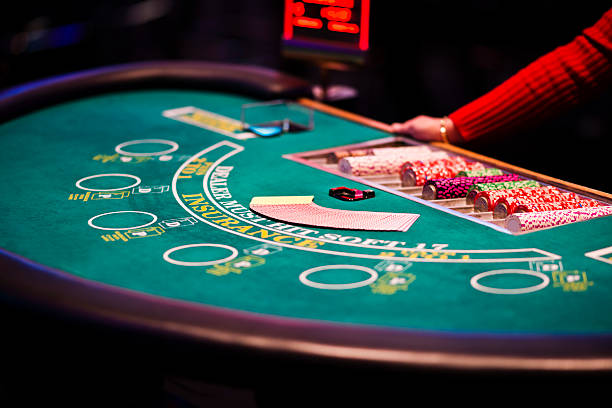
Moreover, gambling environments are intentionally designed to enhance this psychological effect. Bright lights, engaging sounds, and a vibrant atmosphere create an immersive experience that further captivates players. This sensory overload can lead to altered states of consciousness, where rational decision-making takes a backseat to the impulses driven by excitement. Hence, understanding the psychological effects of gambling starts with recognizing the powerful allure that these environments create, drawing players deeper into the gambling experience.
As individuals begin to indulge in gambling, their psychological responses can shift significantly. The thrill of winning can quickly lead to a desire for more frequent and larger bets, resulting in escalating behaviors. Many players may initially approach gambling as a fun pastime, but the psychological influence can transform it into a compulsive behavior, illustrating how the mind’s gamble can spiral out of control. This aspect is especially visible in various reviews, such as a detailed Casea casino review, highlighting the importance of understanding gambling dynamics.
The Role of Cognitive Biases in Gambling
Cognitive biases play a significant role in how gamblers perceive their experiences and outcomes. One common bias is the illusion of control, where individuals believe they can influence the outcome of a game that is purely based on chance. For instance, a player may feel that their betting strategy can sway the results in their favor, despite clear evidence to the contrary. This skewed perception can lead to increased gambling behavior and financial risk, as individuals may continue to chase losses under the false belief that a win is just around the corner.
Another prevalent cognitive bias is confirmation bias, where gamblers focus on successful bets while disregarding losses. This selective memory reinforces the idea that they are skilled gamblers, perpetuating the cycle of gambling. For example, a player might vividly recall a big win but conveniently forget the many times they lost money. Such cognitive distortions contribute to the difficulty in recognizing the true odds of gambling, which can lead to reckless decision-making and financial consequences.
These cognitive biases not only influence individual behavior but also affect social dynamics within gambling communities. Gamblers often share stories of wins while downplaying losses, creating an environment where others may feel encouraged to gamble excessively. Understanding these biases is crucial for recognizing the psychological traps that can lead to compulsive gambling behaviors, highlighting the importance of education and awareness in mitigating their effects.
The Impact of Emotional States on Gambling Behavior
Emotions significantly influence gambling decisions, making the psychological landscape even more complex. Many individuals gamble to escape negative emotions such as stress, anxiety, or depression. This tendency, known as escapism, provides temporary relief and a distraction from everyday challenges. However, this coping mechanism can quickly become problematic, leading to a reliance on gambling as a primary source of emotional comfort, thereby fostering a cycle of addiction.
Conversely, positive emotional states can also drive gambling behavior. Individuals in a celebratory mood may be more inclined to place bets, believing that good fortune will continue. This phenomenon often leads to impulsive decisions, where players may wager larger amounts than they normally would. Understanding the relationship between emotions and gambling can assist individuals in recognizing when their emotional states are influencing their decisions, thereby enabling them to take a more measured approach.
The emotional rollercoaster of gambling can lead to significant psychological distress, especially when individuals lose more than they can afford. Feelings of guilt, shame, and regret often surface, creating a negative feedback loop that perpetuates gambling behavior as individuals attempt to recover their losses. Recognizing the emotional triggers that lead to gambling is essential for developing healthier coping strategies and preventing the escalation of gambling-related issues.
The Social Dimensions of Gambling Addiction
Gambling is rarely an isolated activity; it often occurs within a social context that can significantly impact an individual’s experience and addiction potential. Many people engage in gambling as a social activity, whether at casinos with friends or in online gaming environments. While social interaction can enhance the enjoyment of gambling, it can also amplify problematic behaviors. For instance, peer pressure may encourage individuals to gamble more than they intended, leading to poor financial decisions.
The social acceptance of gambling in many cultures can also contribute to addiction. For instance, in environments where gambling is normalized, individuals may feel less inclined to recognize their behavior as problematic. This cultural context can create a sense of community that both supports and perpetuates gambling habits, complicating the path to recovery for those who wish to quit. Understanding these social dimensions helps in comprehending the broader implications of gambling addiction.
Support systems play a crucial role in addressing gambling addiction. Positive social networks can encourage responsible gambling and provide accountability. Conversely, negative social influences can hinder recovery efforts. Programs that promote awareness and education about gambling addiction can foster healthier gambling habits within communities. Thus, acknowledging the social dimensions of gambling is critical for developing effective interventions and support systems to combat gambling addiction.

Exploring the Casea Casino: A Responsible Gambling Perspective
When examining the psychological effects of gambling, it is essential to consider platforms like Casea casino Canada, which strive to promote responsible gambling practices. Casea casino offers a wide range of games while emphasizing the importance of player education regarding gambling risks. They provide resources and tools for players to set limits on their betting activities, ensuring a safer gaming environment. This commitment to responsible gambling is vital in mitigating the psychological impacts that can lead to addiction.
The platform also features a user-friendly interface that encourages informed decision-making, allowing players to access their gambling habits and adjust them as needed. Additionally, Casea casino games often collaborate with organizations dedicated to gambling addiction awareness, further reinforcing their commitment to player safety. By prioritizing responsible gaming practices, Casea casino aims to create a healthier relationship between players and gambling.
Ultimately, understanding the psychological effects of gambling requires a multifaceted approach that includes recognizing the allure of gambling, cognitive biases, emotional impacts, social influences, and the role of responsible gaming platforms like Casea casino. By addressing these aspects, players can engage in a more balanced and aware approach to gambling, enhancing their overall experience while minimizing the risks associated with excessive gambling.